
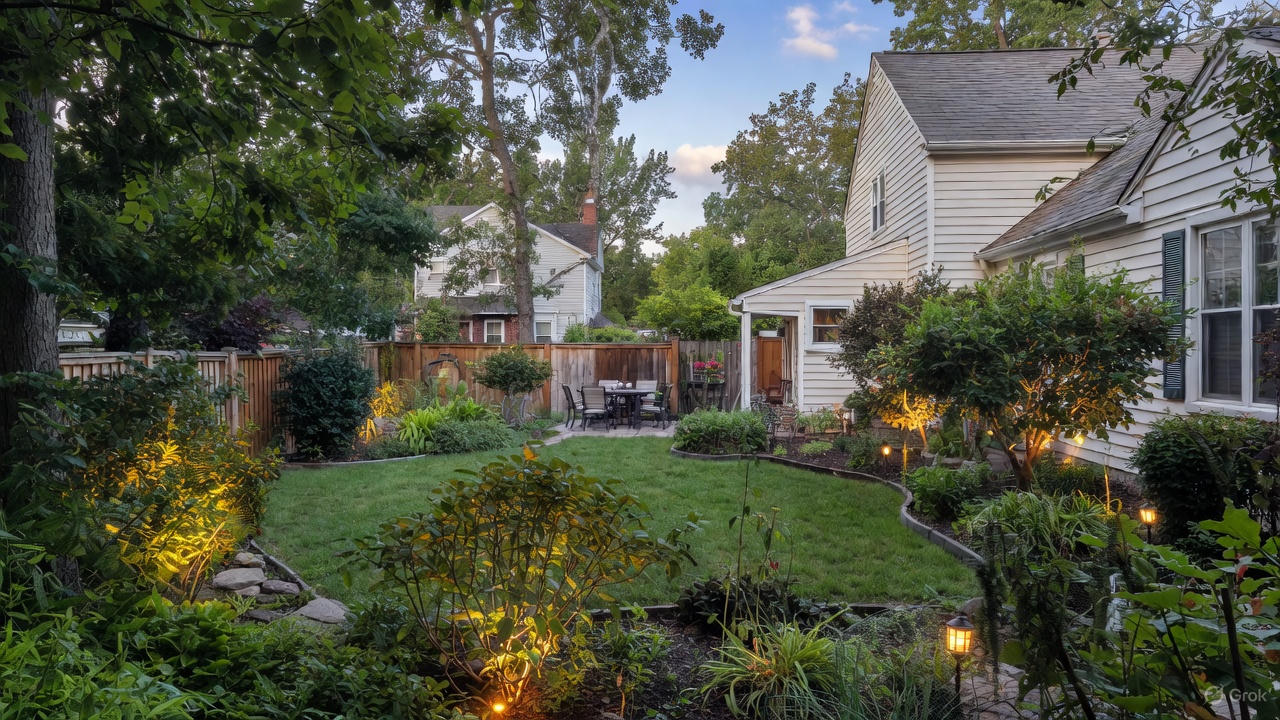
As the days grow shorter and winter settles in, creating a warm, inviting outdoor space becomes essential for both safety and enjoyment. Low-voltage lighting offers an ideal solution, transforming your yard or garden into a secure haven while adding a touch of holiday magic. This approach uses systems that operate at 12 volts or less, making them safer than traditional high-voltage options, especially in areas prone to snow, ice, and moisture. Whether you’re illuminating pathways to prevent falls, uplighting the house and yard for security, installing bed accent lights or spotlights in the landscape-low-voltage lighting systems provide energy-efficient illumination that enhances your landscape without overwhelming your electricity bill.
Understanding the Safety Benefits
One of the primary reasons homeowners turn to low-voltage lighting during winter is its inherent safety features. Unlike standard 120-volt systems, which can pose risks of electrical shock if wires are damaged by weather or wildlife, low-voltage alternatives reduce this danger significantly because the lower voltage doesn’t carry the same intensity. This is particularly important in harsh winters, where frozen ground and precipitation can expose wiring. For instance, if you’re dealing with a sloped driveway that ices over easily, installing stake-mounted path lights along the edges ensures visibility, helping family members and guests navigate without mishaps. These lights connect via a transformer that steps down household current, and the wiring can be buried shallowly or even laid on the surface under mulch, minimizing installation hazards.
Planning Your Outdoor Lighting Layout
Silver Spring Landscaping Professionals will help you plan your low-voltage lighting project This process starts with assessing your outdoor space to determine where illumination will make the most impact. This is when you consider both functional and aesthetic needs—think about areas that become dark early in the evening, such as front walkways, steps, or garden beds. A good rule of thumb is to map out high-traffic zones first; for example, spotlighting a set of stone steps leading to your porch not only prevents trips but also highlights architectural features.
Selecting the right components is key to a successful installation, and this is how you ensure longevity and efficiency. Begin with a quality transformer, rated for outdoor use and sized appropriately for your total wattage—typically, a 100- to 300-watt unit suffices for most residential setups. LED bulbs are the go-to choice here because they consume up to 80% less energy than incandescent options and last longer, often up to 50,000 hours. You’ll find various fixtures tailored for winter conditions: path lights with hooded designs to direct light downward and avoid glare on snowy surfaces, or floodlights that can be aimed at holiday decorations like wreaths or inflatables. For a practical example, imagine a backyard patio edged with evergreens; positioning uplights at the base of these trees casts dramatic shadows and highlights foliage, turning a simple space into a winter wonderland without the need for extension cords snaking across the lawn.
Incorporating Smart Features for Convenience
Beyond the basics, incorporating smart features elevates your low-voltage setup for modern convenience. This is how you integrate timers or photocells to automate operation—lights activate at dusk and shut off at a set time, conserving energy during those long winter nights. In areas with variable weather where sudden freezes can occur, opting for waterproof-rated components ensures reliability. Wifi transformers are able to connect to your phone and the homeowner can control remotely ; imagine arriving home to a softly lit entrance that deters intruders while welcoming you with a seasonal ambiance, all controlled via a smartphone app.
Maintaining Your System Through Winter
Maintenance plays a vital role in keeping your low-voltage lighting performing through the season, and this is why regular checks are recommended. Inspect fixtures monthly for snow buildup or debris, gently clearing lenses to maintain brightness. Replace any burnt-out bulbs promptly, as LEDs rarely fail but can dim over time. During installation, use corrosion-resistant wire and seal connections with silicone to combat winter’s humidity. If you’re in a locale with heavy snowfall, elevate transformers off the ground on mounting brackets to prevent water ingress. A real-world illustration: a family with a large front yard might notice reduced output after a storm; by simply repositioning a shifted spotlight, they restore full illumination, ensuring safe passage for trick-or-treaters or carolers.
Considering Costs and Energy Savings
Cost considerations often surprise newcomers to low-voltage lighting, as initial setups are more affordable than expected. This is when energy savings become apparent—running a 100-watt system for 6 hours nightly might add just a few dollars to your monthly bill, far less than high-voltage alternatives. For professional landscapers, utilizing lights creates depth; for instance, combining ground-level path lights with landscape bed accent lights, and spot lighting trees. In community settings, such as townhome associations, shared pathways benefit from collective installations, fostering a unified festive look while splitting costs.
Exploring Creative Applications
As winter progresses, the versatility of low-voltage lighting shines through in creative applications. This is how it adapts to evolving needs—switch from subtle safety lighting in early December to vibrant holiday modes by mid-month, then back to practical illumination post-holidays. Experiment with placements: uplighting a snow-covered statue adds whimsy, or edging a pond with submerged lights (if rated for water) creates a reflective glow. Homeowners often discover that these systems not only enhance security by deterring potential trespassers but also boost property appeal, making evenings more enjoyable for pets and children playing in the yard.
In conclusion, installing low-voltage lighting is a rewarding endeavor that balances safety with seasonal joy, turning dark winter nights into opportunities for beauty and functionality. By choosing durable, efficient components and following simple installation steps, you can create a landscape that feels alive even in the coldest months. Whether highlighting a favorite tree or ensuring clear visibility on icy paths, this lighting solution offers peace of mind and endless possibilities. If you’re ready to brighten your outdoor space,
Contact Don@SilverSpringLandscaping.com or 301-717-6194.